 0
0
 0
0
Art has the power to transform a home instantly. The right painting or wall piece can make a room feel more personal, stylish, and complete. Many homeowners struggle with choosing art because they worry about picking the wrong size, colors that clash, or pieces that do not match the overall design. The truth is that choosing art for a home does not have to be complicated. A good piece of art should reflect personality, create balance in the space, and enhance the mood of the room. Some homes look best with bold statement paintings, while others feel more peaceful with soft abstract art or minimal designs. Art can also support different design styles, including modern, farmhouse, boho, industrial, and classic interiors. This guide explores how to choose the perfect arts and paintings for a home, including tips for each room, popular art styles, sizing advice, and ways to display artwork beautifully for a polished and welcoming look.
Choosing the Right Art Style for Your Home’s Interior Design
The first step in choosing art for a home is matching the style to the space. Modern homes often look best with abstract paintings, minimalist prints, or bold geometric art. These styles support clean lines and simple décor. Farmhouse homes usually pair well with soft landscapes, vintage-inspired artwork, and warm-toned prints. Boho spaces often look great with colorful paintings, nature themes, and creative mixed-media pieces.
Classic interiors usually match well with traditional paintings such as portraits, still-life art, and elegant framed prints. Industrial spaces often look strong with black-and-white photography, modern street art, or textured abstract pieces.
However, art does not always have to “match” perfectly. Some of the most stylish homes use contrast. For example, a modern home can look incredible with one vintage painting as a statement piece.
This aligns with how to choose wall art that matches home décor, because style creates harmony. The best home art choices feel intentional, even when they are bold or unexpected.
Picking the Right Painting Size for Each Room
Size matters when choosing art for a home. One of the most common mistakes homeowners make is buying art that is too small. Small art can look lost on large walls, especially in living rooms and open spaces. Large paintings often create stronger impact because they fill the wall properly and feel like a design feature.
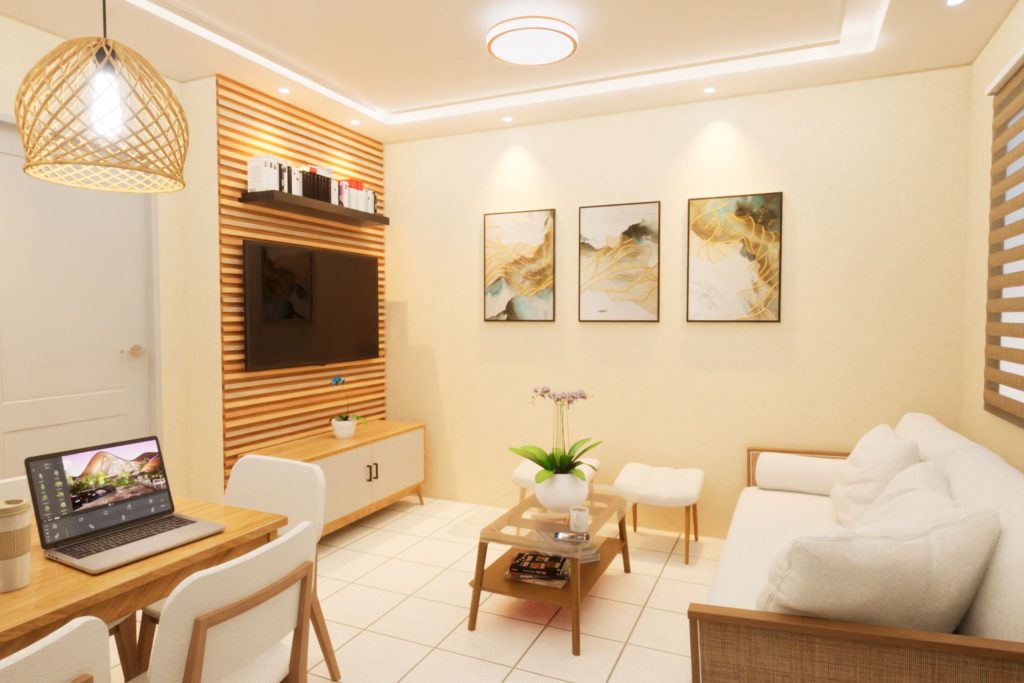
For living rooms, large canvas paintings or wide framed art works well above a sofa. A good rule is choosing art that is around two-thirds the width of the furniture below it. For bedrooms, art above the bed should also feel balanced and not too narrow. For hallways, a series of smaller pieces can create a gallery-style look.
For small spaces like bathrooms or entryways, smaller framed prints work best. These spaces feel better with simple art that adds personality without overpowering the room.
This supports best painting size tips for home wall design, because proportion creates a polished look. Choosing the right size makes the room feel more complete and professionally styled.
Color Matching: How Art Can Tie a Room Together
Color is one of the strongest reasons art changes a space. A painting can pull together a room’s color palette and make the entire space feel cohesive. Many interior designers choose art based on accent colors already in the room, such as pillows, rugs, curtains, or furniture.
For neutral rooms, colorful artwork can become the focal point. A bright painting can add energy to a space that feels too plain. For colorful rooms, softer art can balance the look and prevent the room from feeling overwhelming.
Another popular approach is choosing art based on mood. Warm colors like red, orange, and gold create a cozy feeling, while cool tones like blue and green create calmness. Black-and-white art adds elegance and works well in modern spaces.
This aligns with home painting color ideas for interior design balance, because art is not only decoration—it is visual structure. When colors connect naturally, the room feels more intentional and comfortable.
Best Types of Art for Each Room in the House
Different rooms benefit from different types of art. In living rooms, statement art works best because it becomes a centerpiece. Large abstract paintings, bold photography, or modern landscape art are popular choices. In dining rooms, art often looks best when it feels elegant or warm, such as still-life paintings, textured art, or minimal prints.
Bedrooms benefit from calming art. Soft abstract designs, nature scenes, and peaceful color palettes help create a relaxing mood. In home offices, motivational artwork, creative prints, or modern designs can increase focus and inspiration.
Bathrooms and kitchens often look great with fun or simple art. Many people choose small prints, line art, or themed pieces such as botanical drawings or food illustrations. Hallways are perfect for gallery walls, featuring multiple framed pieces arranged together.
This supports best art and painting ideas for every room, because art placement affects mood. A home feels more comfortable when each room’s art supports its purpose, whether that is relaxation, focus, or social energy.
Display and Framing Tips for a Professional Home Look
Even the best art can look unfinished if it is displayed poorly. Framing plays a major role in making artwork look polished. Simple frames in black, white, wood, or gold are the most versatile. The frame should support the art, not overpower it.
Hanging height also matters. Many people hang art too high. A common guideline is placing the center of the artwork at eye level. When creating a gallery wall, it helps to plan the layout first by placing templates on the wall before hanging.
Lighting is another powerful tool. Art looks better when it is well-lit. Soft lamps, natural light, or picture lights can highlight paintings and make them feel more valuable.
This aligns with modern approaches to home and garden living, because modern home design focuses on detail. Framing, placement, and lighting are what turn art into a true design feature instead of just wall decoration.
Conclusion
Choosing the perfect art and paintings for a home is about more than filling empty walls—it is about creating a space that feels personal, balanced, and visually complete. The best art choices match the home’s design style while still reflecting personality and taste. Picking the right size prevents walls from looking empty or cluttered, and thoughtful color selection helps tie a room’s décor together. Different rooms also benefit from different types of art, from bold statement pieces in living rooms to calming designs in bedrooms and creative prints in offices. Displaying artwork properly through framing, correct hanging height, and good lighting is what gives a home a polished, professional look. Art does not need to be expensive to feel meaningful, but it should feel intentional. When guided by modern approaches to home and garden living, homeowners can choose art that makes their space more stylish, welcoming, and uniquely theirs.