
 0
0
 0
0
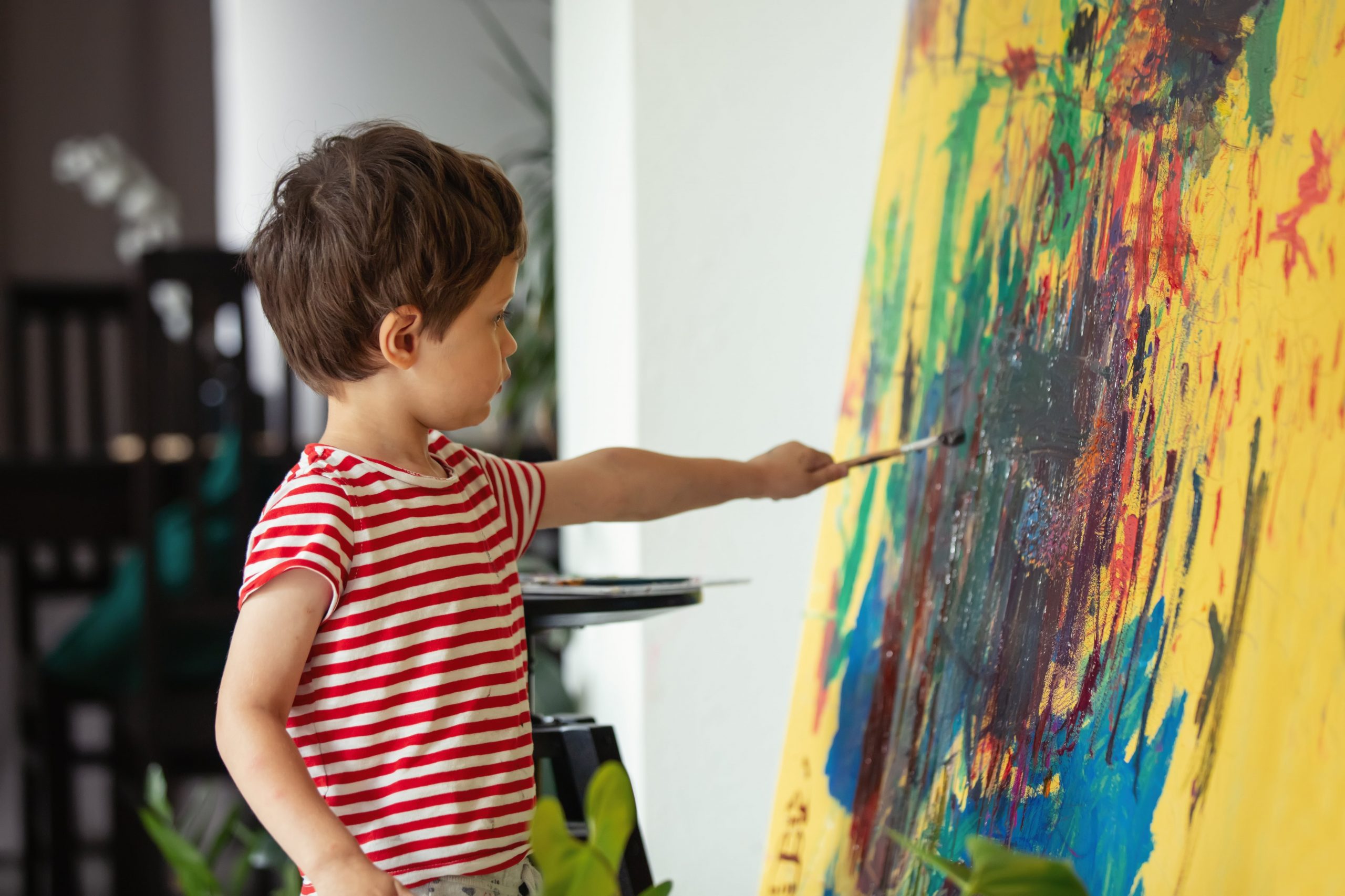
Nurturing art skills is not only about natural talent—it is about consistent practice, curiosity, and learning how to express ideas with confidence. Many people believe artists are born gifted, but most strong art skills are developed over time through repetition and exploration. Whether someone is learning drawing, painting, digital art, or mixed media, progress happens when the process becomes part of daily life. Art also improves when creators challenge themselves, study fundamentals, and stay open to inspiration. However, many beginners feel stuck because they compare their work to professionals too quickly or lose motivation after mistakes. Nurturing art skills requires patience, structured practice, and a mindset that welcomes growth. It also helps to have the right tools, creative environment, and learning resources. This guide explains how to nurture art skills in a practical and encouraging way, including techniques for improving faster, building confidence, and staying creative without burning out.
Practice the Fundamentals Instead of Only Drawing “What Feels Fun”
One of the best ways to nurture art skills is focusing on fundamentals. Many people enjoy drawing characters, faces, or landscapes, but they avoid studying the basics. Fundamentals include line control, shapes, perspective, shading, anatomy, and composition. These skills build the foundation that makes all artwork look better.
Practicing fundamentals does not mean making art boring. It simply means dedicating time to skill-building. For example, drawing simple cubes and cylinders improves perspective. Practicing light and shadow helps paintings look more realistic. Studying basic anatomy improves character drawing.
This aligns with practical art skill improvement tips for beginners, because progress comes faster when fundamentals are trained consistently. Even professional artists still practice these basics. When fundamentals improve, creative work also becomes easier and more satisfying.
Create a Daily or Weekly Art Routine That Builds Momentum
Art skills grow through consistency. Many people draw only when they feel inspired, but inspiration is not reliable. Building an art routine helps nurture skill growth because it creates momentum. Even 15 to 30 minutes per day can make a noticeable difference over time.
A routine also reduces pressure. Instead of expecting every artwork to be perfect, the focus becomes simply showing up and practicing. Some artists keep sketchbooks, while others set weekly projects such as drawing a portrait, painting a landscape, or experimenting with new styles.
Tracking progress also helps. Taking photos of finished work or saving digital files allows artists to see improvement over time, which builds confidence and motivation.
This supports creative routines for nurturing artistic growth, because routine builds discipline. It also prevents long breaks that slow down progress. Artists improve faster when practice becomes part of life rather than an occasional hobby.
Study Other Artists Without Copying Their Identity
Learning from other artists is one of the fastest ways to improve. Studying artwork teaches new techniques, color choices, and composition styles. Many artists learn by doing “master studies,” where they recreate parts of famous paintings or drawings to understand how they were made.
However, it is important to study without losing originality. Copying is useful for learning, but developing a personal style requires experimentation. Artists can study multiple influences and blend them into something unique.
Another helpful habit is analyzing what makes artwork strong. For example, noticing how an artist uses lighting, texture, or emotion teaches valuable lessons. Watching art tutorials can also help, but practice matters more than endless watching.
This aligns with learning from artists to develop stronger art skills, because growth happens through observation and application. Artists improve faster when they study intentionally, not casually. The goal is learning technique while still building personal creativity.
Use the Right Tools and Materials (Without Overspending)
Having the right tools makes art practice easier and more enjoyable. Many beginners think they need expensive supplies, but improvement comes more from skill than price. Still, good materials can reduce frustration. For example, quality pencils and paper make drawing smoother. Affordable watercolor sets can help beginners practice painting without wasting money.
Digital art also offers flexible options. Many beginners use tablets and styluses to practice because digital tools allow undoing mistakes and experimenting with brushes. Free or low-cost software can also be enough for strong progress.
This supports thoughtful gift ideas for creative people, because art tools are also meaningful gifts. Sketchbooks, brush sets, watercolor kits, digital drawing gloves, and beginner-friendly art books are great gifts for anyone nurturing art skills. Supporting someone’s creativity through the right tools can make their journey more exciting and consistent.
Build Confidence by Sharing, Joining Communities, and Accepting Mistakes
Art growth is not only technical—it is emotional. Many artists struggle with confidence and fear of judgment. Sharing artwork online or with friends can feel intimidating, but it often helps artists grow. Feedback can reveal strengths and areas to improve. Joining art communities also reduces isolation, since many artists share the same struggles.
Another key part of nurturing art skills is accepting mistakes. Mistakes are part of the learning process. Every “bad drawing” is still practice. Many artists improve quickly when they stop expecting perfection and focus on progress instead.
Creative confidence also grows through small wins. Completing a piece, even if imperfect, builds momentum. Over time, artists become more comfortable expressing themselves and experimenting freely.
This aligns with modern approaches to gifts and care through creative support, because art is deeply connected to self-esteem and emotional expression. Encouragement, community, and safe practice environments nurture creativity just as much as technique.
Conclusion
Nurturing art skills takes more than talent—it requires consistency, patience, and a mindset that embraces learning. Artists improve faster when they practice fundamentals such as perspective, shading, and composition instead of only drawing what feels comfortable. Building a daily or weekly routine helps create momentum, while studying other artists provides inspiration and technical growth without losing originality. Using the right tools also makes practice smoother, and supplies can be affordable while still effective. Confidence plays a major role in art development, so sharing work, joining creative communities, and accepting mistakes as part of the process helps artists grow emotionally as well as technically. Art skill development becomes easier when progress is measured over time instead of compared to professionals instantly. When guided by modern approaches to gifts and care through creative support, nurturing art skills becomes a rewarding journey that strengthens creativity, confidence, and personal expression for the long term.