
 0
0
 0
0
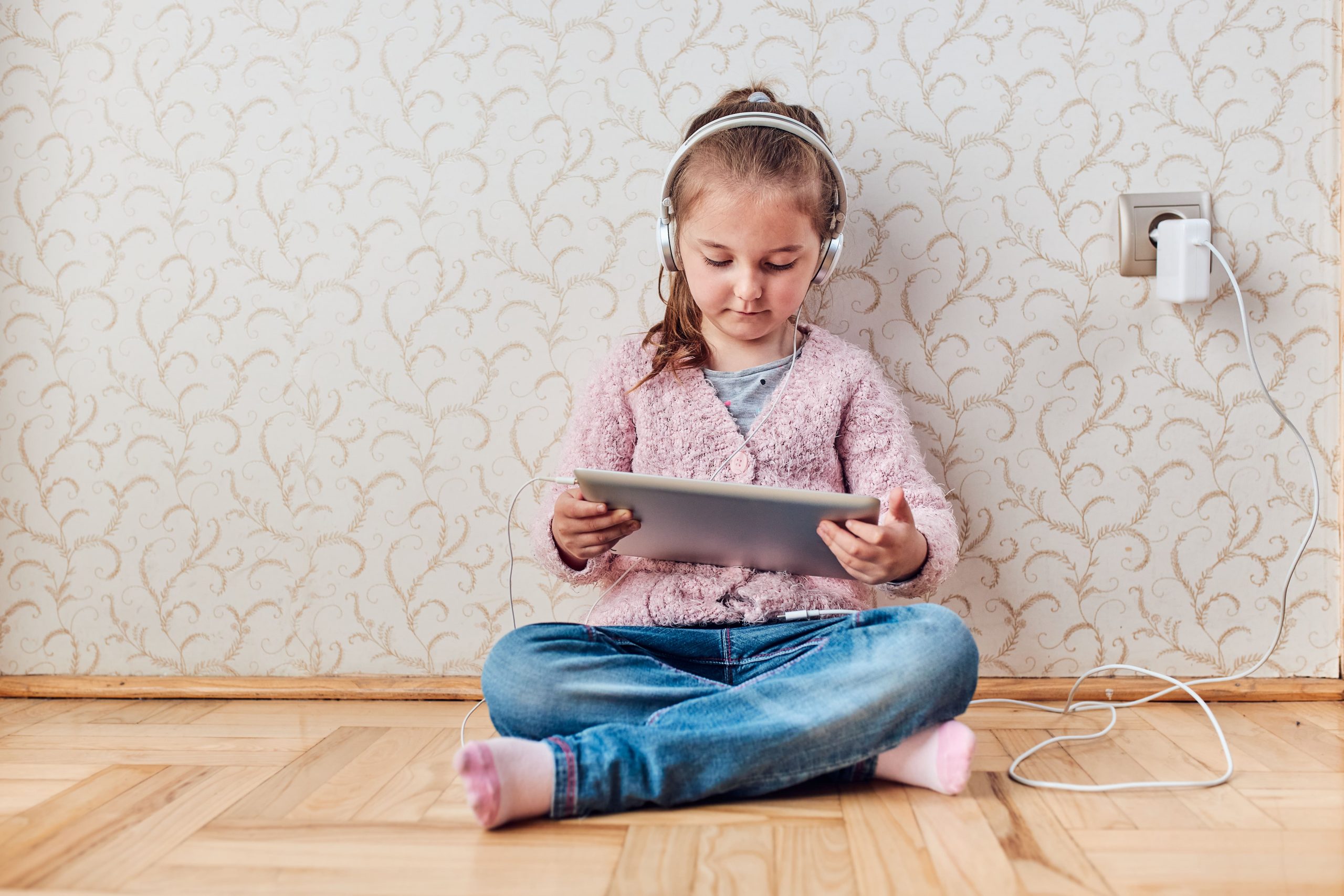
Educational online games have become one of the most popular ways for kids to learn while having fun. Instead of relying only on books or worksheets, many parents and teachers now use learning games to support reading, math, science, problem-solving, and creativity. The best educational games keep children engaged because they feel like play, but they also develop important skills such as memory, focus, logic, and language. Online learning games can be especially helpful for kids who struggle with traditional learning styles, since interactive gameplay makes lessons easier to understand. However, not all “educational” games are truly beneficial. Some are filled with distractions, ads, or shallow content that does not support real learning. Choosing the right games is important for healthy development and better screen habits. This guide explores the best types of educational online games for kids, including skill-building categories, age-appropriate recommendations, and tips for parents to ensure gaming time stays productive, safe, and balanced.
Reading and Language Games That Strengthen Communication Skills
Reading and language games are some of the most valuable educational online games for kids. These games help children build vocabulary, improve spelling, recognize letters, and strengthen reading comprehension. Many language-based games use interactive storytelling, word puzzles, and matching challenges to make learning feel fun instead of stressful.
For younger kids, phonics games are especially helpful. They teach children how sounds connect to letters, which improves early reading ability. For older kids, word-building games and grammar challenges help improve writing skills and reading confidence. Some games also support learning new languages by introducing vocabulary through visuals, listening exercises, and repetition.
This aligns with educational games that improve reading and language skills, because communication is one of the most important learning foundations. Kids who build strong reading skills early often perform better in school across all subjects. Language games make practice feel enjoyable and keep kids engaged longer.
Math and Logic Games That Build Problem-Solving Skills
Math games are another popular category because they help kids practice numbers, patterns, and critical thinking. Many children struggle with math because it feels intimidating. Online games make math feel less serious by turning it into puzzles, challenges, and reward-based progress.
Logic games also support brain development. These games include pattern recognition, sequencing, memory tasks, and reasoning puzzles. Many of them strengthen attention span because kids must focus to solve each level. Some math games include real-life scenarios, such as budgeting, measuring, or time management, which helps kids understand how math works in everyday life.
This supports kid-friendly online math games for learning through play, because math becomes easier when it feels interactive. These games also encourage kids to think step-by-step rather than rushing. Over time, math and logic games help children develop stronger problem-solving skills and confidence.
Science, Geography, and Knowledge-Based Learning Games
Many educational online games focus on general knowledge, helping kids learn about science, nature, geography, history, and space. These games often include quizzes, exploration missions, and interactive simulations. Kids learn better when they feel curious, and knowledge-based games are great for turning curiosity into learning.
Science games can teach kids about the human body, weather, animals, plants, and basic physics concepts. Geography games help kids learn countries, flags, landmarks, and map skills. Some games use adventure-style storytelling where kids travel through different regions and solve challenges using facts.
These types of games are especially useful for children who enjoy discovery-based learning. Instead of memorizing information, kids experience it through gameplay. This makes learning feel more natural and less like homework.
This aligns with educational online games that teach science and geography, because knowledge games expand a child’s understanding of the world. They support curiosity, creativity, and long-term learning habits that go beyond school.
Creativity and Building Games That Support Brain Development
Creative educational games help kids develop imagination, planning, and self-expression. These games may involve drawing, music-making, building structures, or designing characters. Creativity is not just entertainment—it plays a major role in brain development and emotional growth.
Building games are especially powerful. Games that allow kids to create cities, design homes, or build structures encourage spatial thinking and problem-solving. Kids learn how to plan, test ideas, and improve designs. This is a valuable skill that supports STEM learning, even when the game feels purely creative.
Some games also teach coding basics through fun activities. These coding games often use simple block-based programming that kids can understand without technical knowledge. It helps them develop logical thinking and digital confidence.
This supports creative learning games for kids that boost cognitive skills, because creativity is active learning. These games encourage children to build, design, and explore instead of only consuming content.
Safety and Healthy Screen Habits for Educational Gaming
Even educational games should be used with balance. Parents should focus on choosing games that are age-appropriate, ad-free, and safe. Many free games include ads or in-app purchases, which can distract kids or lead to unhealthy screen habits. Paid educational platforms often provide a cleaner, safer experience.
Parental controls are also important. Parents can set time limits, monitor game content, and guide kids toward healthier choices. It is also helpful to mix online learning games with offline activities such as reading, outdoor play, and creative hobbies.
Educational gaming works best when it is structured. For example, kids may play learning games for 30 to 60 minutes, then take a break. The goal is keeping screen time productive rather than endless.
This aligns with modern approaches to safe online gaming for kids, because safety and balance matter as much as learning. When parents guide educational gaming properly, kids can enjoy fun learning without overstimulation or unhealthy screen habits.
Conclusion
Educational online games can be a powerful tool for helping kids learn while having fun, especially when the games focus on active thinking rather than passive entertainment. Reading and language games support vocabulary and communication skills, while math and logic games strengthen problem-solving and confidence. Science and geography games expand knowledge and curiosity, and creative building games help develop imagination, planning, and cognitive growth. However, not all educational games are equal, so choosing safe, age-appropriate, and ad-free options makes a major difference. Healthy screen habits also matter, since even learning games can become overstimulating when used without limits. Parents and teachers can get the best results by combining educational gaming with offline learning, real-world activities, and structured routines. When guided by modern approaches to safe online gaming for kids, educational online games become more than entertainment—they become a fun and effective way to support learning, brain development, and long-term curiosity.